XPeng MONA M03: 9 Checks Before an Export Order
Share Box

Table of Contents
The XPeng MONA M03 deserves a buying process built around the actual vehicle, rather than a photograph of an attractive electric liftback. For a dealer or fleet buyer, the important questions concern charging, battery evidence, cargo access, software support and the cost of keeping the car available for customers.
Zhengling lists a 2025 600 Long Range Max version. That listing provides a specific starting point for an XPeng MONA M03 inquiry, but an importer should still verify the VIN and equipment before placing an order. This guide turns the product description into a practical acceptance checklist, with particular attention to functions that may depend on the destination market.
1. Identify the XPeng MONA M03 version precisely
When assessing XPeng MONA M03, keep the full Chinese-market version name, its English translation, production date and registration date together. A Max description or a range number may distinguish one configuration from another, but neither replaces an identification record. Request clear images of the VIN labels, odometer, vehicle paperwork and the physical car in one connected evidence package.
The XPeng MONA M03 listing describes a pure-electric, five-door, five-seat liftback. Check that description against the offered unit and your intended use. Model year is not the same as the first registration year, and an almost-new appearance does not establish a new-car legal status. Record what the seller can document and ask your destination adviser which identity and registration records are needed for the proposed import.
2. Plan XPeng MONA M03 routes from recorded evidence
The listed version carries a 600 km CLTC range description. Treat that as a stated test-cycle figure, not as a guaranteed daily operating distance. For the XPeng MONA M03, request available evidence on battery condition and a documented driving test. Record ambient conditions, average speed, load, starting charge and ending charge so the result has a meaningful context.
An urban operator should map the longest normal duty period, expected charging opportunities and a practical reserve. A dealer serving private buyers should explain how highway use, temperature and cabin conditioning can change the result. Avoid converting CLTC into another cycle with a universal percentage. A small amount of observed route data is more useful than a precise-looking estimate that has no connection to the customer’s journey or the individual car.
3. Prove XPeng MONA M03 charging compatibility
Photograph the charging inlet and identify the AC and DC arrangements on the exact XPeng MONA M03. Ask what equipment was used in a successful charging demonstration, what charging accessories are included and whether they are suitable for the destination supply. Electrical installation should be assessed by an appropriately qualified local provider.
A travel adapter or a cable in the trunk is not enough evidence. Connector geometry, communication, charger capability and vehicle settings can all matter. Record the start and end charge levels and the actual equipment used during the demonstration. Separate vehicle capability from charger output so your sales team does not advertise a peak value as a constant charging speed. For a fleet, verify charging access at the depot and during contingencies before assuming every car can return to service on schedule.
4. Treat XPeng MONA M03 software access as a deliverable
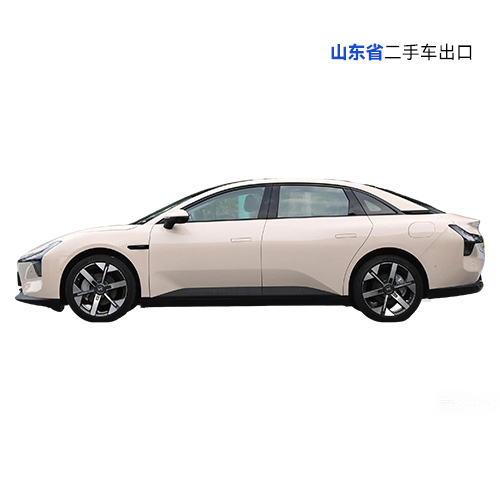
The XPeng MONA M03 may appeal to buyers because of its displays and technology, but these functions need a practical demonstration. Check available languages, navigation behavior, mobile connectivity, account transfer and ownership-reset procedures. Ask which features continue to work without a regional mobile service and which require subscriptions or an account that the buyer can legitimately obtain.
Create a short acceptance video covering the functions you intend to advertise. Driver assistance equipment should be evaluated within its supported conditions and local operating context. Hardware presence alone does not prove that a service is enabled, licensed or supported overseas. Keep uncertain features out of the customer promise until their status is confirmed. A clearly described basic function is easier to support than an ambitious technology claim based on a different market’s brochure.
5. Test XPeng MONA M03 liftback practicality
The rear opening is an important part of the XPeng MONA M03 buying decision. Ask for measurements and photographs that show usable access, loading height and space with the seats in the positions your customers will use. A luggage demonstration with familiar items can be more informative than a single cargo-volume number with an unclear measurement method.
For buyers evaluating XPeng MONA M03, inspect the hatch seals, hinges, latch and trim for damage, water marks or poor alignment. Test any powered functions fitted to the offered unit. Check rear visibility, passenger access, child-seat mounting information and the condition of the seat belts. A business transporting passengers and luggage needs a different acceptance test from a private commuter. Match the inspection to that use so cargo convenience and cabin comfort are demonstrated rather than assumed from the vehicle’s body style.
6. Inspect the XPeng MONA M03 battery enclosure and body
Ask a qualified inspector to assess the underside of the XPeng MONA M03, including the battery enclosure, visible cooling components and nearby mounting areas. Road damage, poor lifting practice and repaired structural areas deserve further investigation. Exterior paintwork can look tidy while important underbody evidence remains unavailable.
Before ordering XPeng MONA M03, request diagnostic findings, service records and information about previous battery or electrical repairs where available. Do not treat an odometer reading or displayed remaining range as a battery-health certificate. Inspect brakes, tires, steering, suspension and the low-voltage system as well. A used EV can need routine mechanical work even when its traction motor operates normally. List each unresolved finding with the evidence required to close it, rather than allowing a broad passed inspection phrase to hide items that were never tested.
7. Use an evidence-based comparison table

| Purchase question | Demonstration to request | Decision affected |
|---|---|---|
| Can it complete the route? | Recorded drive and battery evidence | Daily operating reserve |
| Can it recharge locally? | Inlet identification and charger test | Charging investment |
| Can customers use the software? | Language, account and app demonstration | Resale description |
| Does the liftback fit the job? | Cargo and passenger access check | Customer suitability |
| Can it be repaired? | Parts identification and workshop plan | Downtime exposure |
Apply the same questions to every XPeng MONA M03 offered for your order. A comparison becomes much stronger when each answer points to a file, image or test result. Mark a missing answer as pending and decide whether it blocks the purchase. This prevents a feature-rich offer from appearing better merely because its supplier provided more promotional material.
8. Establish a practical support package
Identify a local workshop capable of handling the XPeng MONA M03 before ordering a fleet. Discuss diagnostic access, routine maintenance, high-voltage work and parts sourcing. Request part numbers or VIN-based confirmation for common consumables and likely body repairs. A general promise that parts can be supplied is less useful than a written process with responsible contacts.
Agree how the supplier will handle defects identified before loading and discrepancies found on arrival. Any warranty or service promise should state its territorial scope, exclusions and claim procedure. Do not infer overseas coverage from a domestic product description. Include keys, cables, manuals and account-transfer evidence in the handover inventory. The package should make it possible for the receiving team to verify that the car and its accessories match the approved order without depending on informal messages.
9. Request a pilot order with clear acceptance criteria
An XPeng MONA M03 inquiry should state destination, quantity, acceptable mileage, preferred configuration and intended charging arrangement. Ask for a current offer on identified units with separate vehicle, preparation and transport costs. If you are introducing the model into a new retail territory, define what the first unit must demonstrate before you increase the order.
Review the MONA M03 Max product listing and Zhengling’s New Energy Vehicle category. A useful proposal combines a specific car with evidence and a local operating plan. That approach lets an importer evaluate the XPeng MONA M03 on what can be delivered and supported, while keeping uncertain range, software and charging assumptions visible.
Discuss a MONA M03 sourcing plan
Tell Zhengling where the cars will operate, how they will charge and which functions your customers require. Request an XPeng MONA M03 proposal with VIN-specific evidence and a clearly itemized delivery scope using the form below.
Technical background: Electric-drive vehicle background from the U.S. Department of Energy.
Product reference: Xiaopeng MONA M03 2025 Model 600 Long Range Max Version. Ask for current availability and VIN-specific evidence.
Frequently asked questions
Is every XPeng MONA M03 the same specification?
No. Verify version, production information and fitted equipment on the exact unit. Retain the full version designation alongside its translation so range labels or abbreviated trim names cannot conceal a configuration difference.
Does the XPeng MONA M03 listing promise 600 km in daily use?
No. The listing’s figure is stated on a CLTC basis. Actual range depends on conditions and vehicle health. Use battery evidence and a route-specific assessment when setting customer expectations.
What charging evidence should accompany an export offer?
Request inlet photographs, AC and DC equipment details, a recorded compatible charging test and an accessory list. Have the destination installation assessed separately; an adapter alone does not prove compatibility.
Which software checks matter for an imported XPeng MONA M03?
Check language, navigation, account ownership, apps, connectivity and support for advertised assistance functions. Ask which features depend on regional services and obtain a clear written description of any limitations.
What should a dealer request before a bulk order?
Ask for identified units, consistent inspection reports, charging demonstrations, a support plan and defined handover terms. A documented first unit can help validate customer fit and workshop readiness before expanding stock.